The first client in Belgium pays an invoice, a supplier in Germany sends theirs. Both carry an IBAN that does not start with NL, and yet the transfer works exactly like a domestic payment. That is down to SEPA. For entrepreneurs who invoice or pay in euros, SEPA makes the border invisible in practice, with fixed rules for reachability, costs and speed.
Below you can read what SEPA means, what a SEPA transfer is, which countries belong to it and how long a transfer takes. After that come SEPA Instant, the IBAN-Naam Check (the Dutch name check) and the steps for a transfer, with what all this means for invoices to clients in other countries.
In short:
- What is SEPA? The Single Euro Payments Area: one area in which cashless payments in euros work just as they do within your own country.
- The SEPA area covers 41 countries and territories: the 27 EU Member States plus, among others, Norway, Switzerland and the United Kingdom.
- A regular SEPA transfer reaches the payee’s bank by the end of the next business day at the latest. An instant transfer is available within ten seconds, day and night.
- Since 9 October 2025, banks in the euro area must check for every digital transfer whether the payee’s name and IBAN match.
What is SEPA?
SEPA stands for Single Euro Payments Area. According to the European Central Bank, SEPA lets customers make cashless euro payments to anywhere in the European Union and to a number of countries outside it, quickly, safely and efficiently, just as within their own country. The meaning of SEPA therefore lies mainly in equality: a euro transfer to Lisbon follows the same rules as a transfer to Utrecht.
The basis is the SEPA Regulation, Regulation (EU) No 260/2012. It sets the rules for credit transfers and direct debits in euros within the Union. Payments are identified by the IBAN, wherever the providers involved are located. And a payer may not prescribe in which Member State the payee’s account must be held. In the Netherlands, this ban on refusing foreign account numbers is also known as the ban on IBAN discrimination: according to Betaalvereniging Nederland, anyone who accepts a Dutch IBAN must also accept IBANs from the other countries of the European Economic Area.
SEPA, the EU and the euro area
Three terms are often mixed up in practice. The euro area consists of the EU countries that use the euro. The European Union also includes Member States with their own currency, such as Sweden or Poland. The SEPA area is wider still and also includes countries outside the EU. The ECB shows this on its map with three labels: EU member using the euro, EU member not using the euro and non-EU country. For a SEPA transfer the distinction matters little, because the payment is always in euros. For the question of which European rules apply, it does matter. A payment in Swedish kronor or Polish zloty, for example, falls outside the SEPA transfer, even if it goes to an EU country.
What is a SEPA transfer?
What is a SEPA transfer? A transfer in euros from one payment account to another within the SEPA area, with the IBAN as the only account number. Within the EU, stating the BIC is no longer needed in most cases, according to Betaalvereniging Nederland (the Dutch payments association). For transactions from outside the EU, the BIC is required in addition to the IBAN. Internationally, the SEPA transfer is also called a SEPA credit transfer.
Behind the scenes, the payment schemes of the European Payments Council do the work, for euro credit transfers and for direct debits. The SEPA Regulation ensures that a bank reachable for a domestic transfer is also reachable for transfers from other Member States. That way a SEPA transfer arrives with the same details, whether the payer is in Rotterdam or in Riga.
Fixed rules apply to the costs too. Under Regulation (EU) 2021/1230, the charges for a cross-border payment in euros within the Union are the same as for a comparable domestic payment of the same value. That does not apply to currency conversion charges. The SEPA transfer is not the only SEPA payment: the direct debit, in the Netherlands often called incasso, runs through the same European system.
What SEPA means for invoices
For entrepreneurs who invoice, the SEPA Regulation works both ways. A client with an account in another Member State can simply transfer the invoice amount to a Dutch IBAN. And conversely, a business that receives payments by transfer or direct debit may not demand that the payer’s account is held in a particular Member State. The IBAN and the account holder’s name are therefore enough on the invoice. Adding a BIC does no harm for clients outside the EU, but within the EU it is usually no longer needed.
SEPA countries: which countries belong to it?
The SEPA area is wider than the European Union and wider than the euro area. The European Payments Council, which manages the SEPA payment schemes, counts 41 countries and territories. This is how the SEPA countries break down:
| Group | Countries and territories |
|---|---|
| EU Member States | All 27 Member States of the European Union, with and without the euro |
| EEA, outside the EU | Iceland, Norway, Liechtenstein |
| Other countries and territories | United Kingdom, Switzerland, Monaco, San Marino, Andorra, Vatican City, Montenegro, Albania, North Macedonia, Moldova, Serbia |
Payments within the SEPA area are in euros, also to countries that have another currency of their own. Note: the rules of the SEPA Regulation and of Regulation 2021/1230 apply to payments within the Union. For a transfer to, for example, Switzerland or the United Kingdom the route is the same, but the European charging rules do not apply there.
In summary: SEPA covers 41 countries and territories, from all EU Member States to Switzerland and the United Kingdom. The payment is in euros; the European rules on charges apply within the Union.
How long does a SEPA transfer take?
How long does a SEPA transfer take? For a regular transfer the law sets a maximum. Under article 7:537 of the Dutch Civil Code, the payer’s bank ensures that the amount is credited to the account of the payee’s bank by the end of the next business day after receipt of the payment order at the latest. That bank makes the amount available as soon as it has received the money. The same deadline is in the European Payment Services Directive.
That the regular transfer is tied to business days has a technical reason. The European SEPA network handles transfers and direct debits between banks. According to Betaalvereniging Nederland, the systems that do this work within fixed opening hours, from 8:00 to 17:30 on business days. An order placed on a Friday evening is therefore only processed after the weekend. Those hours do not apply to an instant transfer.
For planning, that is a useful rule of thumb. A payment that has to arrive before a fixed date, such as the rent or an invoice with a payment term, is best sent as a regular transfer at least one business day earlier. If time is tight, choose an instant transfer, which also runs at weekends and on public holidays.
SEPA Instant: money within ten seconds
Under the European Instant Payments Regulation, Regulation (EU) 2024/886, an instant transfer is a credit transfer that is executed immediately, 24 hours a day and on every calendar day. The payee’s bank makes the amount available within ten seconds of the payment order being received. The Netherlands led the way: the largest banks introduced Instant Payments as early as 2019, according to Betaalvereniging Nederland.
Under the regulation, every provider that offers regular transfers in euros must also offer SEPA Instant, with a deadline per type of provider. The charges may not be higher than those for a regular transfer. For banks in the euro area, dates in 2025 apply: receiving by 9 January at the latest, sending by 9 October at the latest. Electronic money institutions and payment institutions in the euro area have until 9 April 2027. Anyone who wants can also have their own limit set for the amount that may be sent instantly per day or per transaction.
In the Netherlands the bar is set a little higher: according to Betaalvereniging Nederland, the Dutch specification names a maximum processing time of five seconds. For a business, instant mainly makes a difference for payments that cannot wait, such as a supplier who only delivers after payment, or a refund to a client at the end of the day.
The IBAN-Naam Check
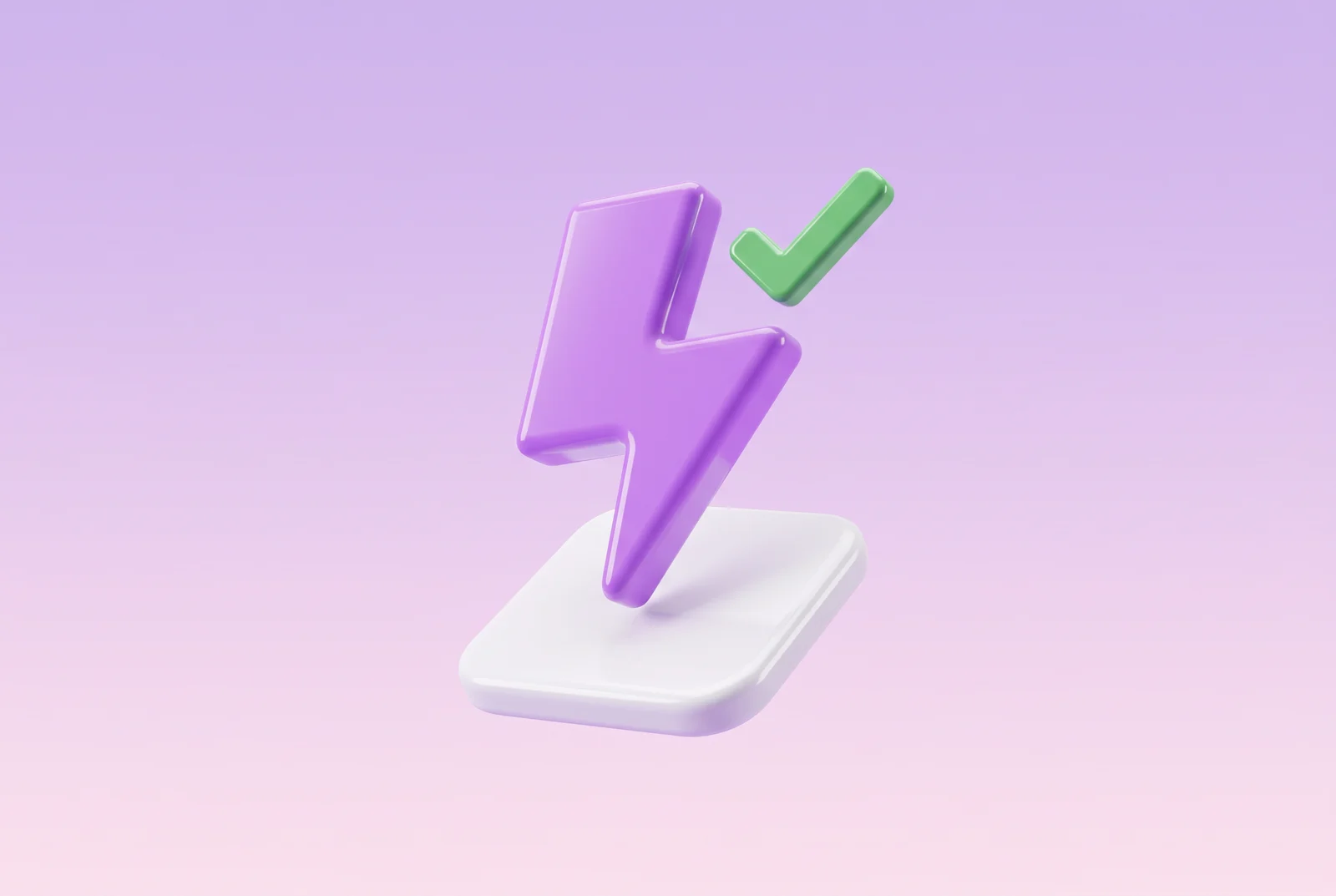
Since 9 October 2025, banks in the euro area must check for every digital European transfer whether the payee’s name and IBAN match; in EU countries without the euro this applies by 9 July 2027 at the latest. In the Netherlands this check is called the IBAN-Naam Check; internationally, Verification of Payee. If name and IBAN do not match, the payer sees a warning and can cancel, correct or still confirm the transfer. If they do match, a green tick appears. If the name entered differs strongly from the name linked to the IBAN, the payer sees a warning without the payee’s correct name.
The check applies to instant transfers and to regular European transfers, for individuals and for businesses. Providers must offer this service free of charge. For entrepreneurs it is especially handy for a first payment to a new supplier: a typo in the IBAN shows up before the money is on its way. A regular supplier that switches banks or starts using a different company name shows up in the same way, so the details in the records are updated in time.
Good to know: the name check does not stop a payment. After a warning, the payer decides whether the transfer still goes ahead.
Making a SEPA transfer in 4 steps
In a payment app, a SEPA transfer broadly looks like this:
Enter the payee’s name as linked to the account, for a business the name the account is in, and the IBAN. Within the EU, the BIC is not needed in most cases.
Look at the outcome of the IBAN-Naam Check. After a warning, it pays to check the details with the payee before going ahead.
Enter the amount in euros and a description, such as the invoice number. That way the payment can be found by the payee and in your own bookkeeping.
Choose an instant transfer if the money has to arrive within seconds, or a regular transfer that arrives by the next business day at the latest. Then confirm the order in the app.
SEPA transfers with Vivid
With a Vivid business account you get a Dutch IBAN, and you can create unlimited Dutch IBANs regardless of the plan. Instant SEPA transfers are sent and received within a few seconds, provided the other participating bank supports this type of transfer. Regular SEPA transfers take up to 1 business day.
For bulk payments, the terms of the chosen plan apply. International transfers outside SEPA usually take up to 5 business days.
Vivid in short: SEPA Instant within a few seconds where the payee’s bank takes part, a Dutch IBAN and free outgoing SEPA transfers on every plan.
Paying in euros across Europe
A business account with a Dutch IBAN, SEPA Instant and bulk payments of up to 200 transfers per file. The application is fully online.

Frequently asked questions
What does SEPA mean?
SEPA stands for Single Euro Payments Area: the area in which cashless payments in euros work just as within your own country. What is a SEPA transfer? A euro transfer within that area, with the IBAN as the account number. The rules are in the SEPA Regulation, Regulation (EU) No 260/2012.
How many countries belong to SEPA?
41 countries and territories: the 27 EU Member States, Iceland, Norway and Liechtenstein, and also, among others, the United Kingdom, Switzerland, Monaco and Serbia.
Do Switzerland and the United Kingdom belong to SEPA?
Yes. Both are on the European Payments Council’s list. The European rules on equal charges apply to payments within the European Union, not to Switzerland or the United Kingdom.
How long does a SEPA transfer take?
A regular SEPA transfer reaches the payee’s bank by the end of the next business day at the latest. An order received outside business days is processed on the next business day. An instant transfer is available within ten seconds, also at weekends.
Does a SEPA transfer cost money?
That depends on the provider. Within the EU, a euro transfer to another country may not cost more than a comparable domestic one, and an instant transfer may not cost more than a regular one. Currency conversion charges are not covered by this.
Do you need a BIC for a SEPA transfer?
Within the EU, in most cases not; the IBAN is enough. For transactions from outside the EU, the BIC is required in addition to the IBAN. Anyone with clients outside the EU therefore puts the BIC on the invoice to be on the safe side.
What is the IBAN-Naam Check?
The check whether the payee’s name and IBAN match, mandatory for banks in the euro area since 9 October 2025, in the other EU countries by 9 July 2027 at the latest. If they differ, the payer sees a warning and decides whether the transfer goes ahead.
This article provides general information and is not legal or financial advice. The rules mentioned are as published in Regulation (EU) No 260/2012, Regulation (EU) 2021/1230, Regulation (EU) 2024/886 and the Dutch Civil Code, and by the European Payments Council, the European Central Bank and Betaalvereniging Nederland; they may change. Vivid’s payment services are provided by Vivid Money S.A., an electronic money institution authorised and regulated by the Commission de Surveillance du Secteur Financier (CSSF) in Luxembourg; its Dutch branch is registered with De Nederlandsche Bank (DNB) as an electronic money institution.